Rent Affordability
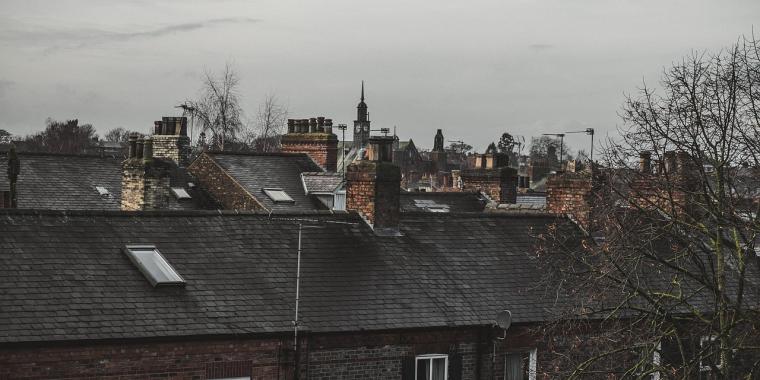
by Aoife Deery, CAS housing spokesperson.
This article was first published in The Herald on 20 December 2025.
Last year, the Citizens Advice network in Scotland provided 62,000 pieces of housing advice, the highest level in over five years. Amongst this, one issue continues to dominate: rent affordability.
Affordability problems are brought sharply into focus by the levels of rent debt that people come to us about. For private renters, this is on average over £4,000, double that of social renters. This is often because people are living in unaffordable homes with little option to find anything cheaper. Younger people are even more vulnerable to this as they have the same rental costs to pay but less support available to them through Local Housing Allowance (LHA).
This was the case for Ali (not his real name) who came to us for advice recently. He stays in a private let and receives the shared accommodation rate of LHA as he is under 35 years old. This means he receives the lower rate of LHA, and as a result he struggles to pay his rent, which is causing him stress and uncertainty about his housing security. This unjust policy puts young people at risk of financial hardship early in life, increasing the chances of being forced into a cycle of debt and experiencing further problems later on.
University of Glasgow academics have been leading on work to establish a shared definition of rent affordability. Their final report included a key recommendation that to be affordable, rent should be no more than 30% of a person’s income. From YouGov polling commissioned for this report, we know that many people spend a much higher percentage of their income on rent. It is therefore clear that sustained and resourced actions from government are needed before affordable rent can become a reality for everyone.
In practice, there are two main ways governments can deal with rent affordability: limiting rent rises and increasing support with housing costs. The new Housing (Scotland) Act gives powers for rent control areas to be introduced. This does not mean that rent increases are banned, but rather that rent increases in areas facing housing pressure would be limited. Housing pressure would be based on assessments of rent levels and rent rises in a local area. As work to implement these regulations goes on, it’s vital that the impact on rents is closely monitored to ensure that the measures tangibly improve rent affordability for people.
Rent controls cannot work on their own however, and it’s critical that there is also more help provided for renters like Ali. Changing LHA rules relies on decisions made at Westminster. It’s deeply disappointing that the Chancellor did not uprate LHA in the Autumn budget despite it currently being significantly below real rent levels. This will prolong the hardship faced by many private renters who struggle to meet their housing costs. In a just and compassionate Scotland, everyone should have a safe, secure and sustainable home, with both UK and Scottish Governments working in partnership to achieve this.
You can read more about our evidence and insight on affordability and other housing issues in our latest Home truths briefing.